
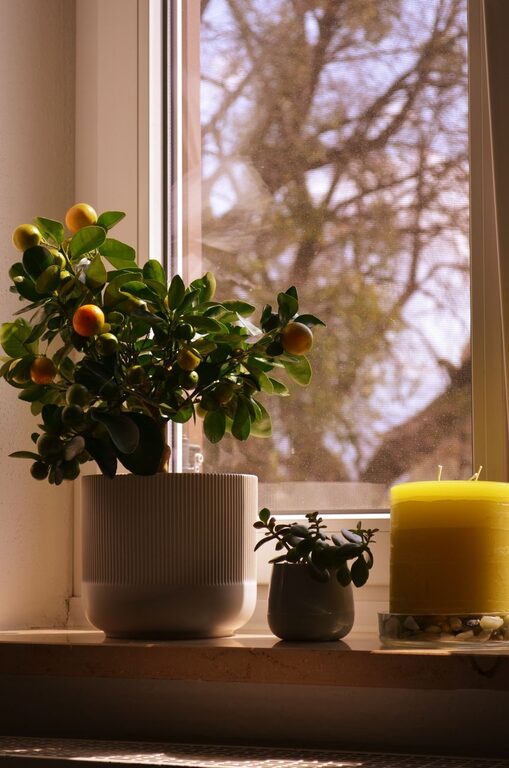
Bringing plants into your home is one of the easiest and most rewarding ways to refresh your living space. Not only do plants add natural beauty, but they also improve air quality and create a calming atmosphere. Whether you’re a seasoned plant parent or just starting out, this guide will help you choose, place, and care for plants to brighten up your home.
Why Add Plants to Your Home?
Plants do more than just look pretty. They can:
– Purify the air by filtering out pollutants
– Boost your mood and reduce stress
– Add texture and color to your decor
– Make your space feel more welcoming and lively
With so many benefits, it’s no wonder that plants have become a popular way to refresh rooms of all sizes.
Choosing the Right Plants for Your Home
Before bringing plants inside, consider these factors:
Light Conditions
Different plants thrive in different light levels.
– Bright Light: South or west-facing windows
– Medium Light: East-facing or shaded south windows
– Low Light: North-facing windows or rooms without direct sunlight
Some plants, like snake plants and pothos, tolerate low light, while others such as succulents need bright, direct light.
Space and Size
Think about where you want to place your plants. Options include:
– Small pots for desks or shelves
– Medium plants for side tables or countertops
– Large floor plants to fill empty corners
Measure your space to avoid overcrowding and give plants room to grow.
Maintenance Level
Be honest about how much time you’re willing to spend caring for plants. Some require frequent watering and pruning, while others are nearly carefree.
Popular Indoor Plants to Consider
Here are some versatile plants that suit a variety of environments and skill levels:
– Snake Plant: Very hardy, tolerates low light, and needs infrequent watering
– Spider Plant: Easy to grow, thrives in medium light, and produces “babies” for propagation
– Peace Lily: Beautiful white blooms, prefers medium light, and signals when it needs water
– Pothos: Vining plant, ideal for hanging baskets or shelves, and adapts to low light
– Succulents: Require bright light and minimal water, perfect for sunny spots
Creative Ways to Display Plants
How you display your plants can help transform the look of your rooms.
Use Containers That Match Your Decor
Choose pots or planters that complement your style, from modern ceramic to rustic terracotta.
Create a Plant Corner
Group several plants together with varying heights and textures to make a designated greenery area.
Hang Plants
Use macramé hangers or wall-mounted shelves to add plants vertically and save floor space.
Decorate with Plant Stands
Elevate pots with stands to add dimension and keep plants off surfaces for easier cleaning.
Tips for Plant Care and Maintenance
To keep your plants healthy and thriving, try these tips:
– Watering: Check soil moisture before watering; overwatering can harm roots.
– Humidity: Some plants enjoy extra humidity. Mist leaves or use a humidifier if your home is dry.
– Fertilizing: Feed plants with appropriate fertilizer during the growing season according to package directions.
– Pruning: Remove dead or yellowing leaves to encourage new growth.
– Pest Control: Inspect plants regularly for pests like spider mites or aphids and treat early if needed.
– Cleaning: Wipe leaves gently with a damp cloth to remove dust and help plants absorb light better.
Seasonal Refresh Ideas
Change your plant displays as the seasons change:
– Swap out summer-flowering plants for autumnal foliage favorites.
– Rotate plants closer to windows in the winter for more light exposure.
– Try planting seasonal herbs in the kitchen for fresh flavors and greenery.
Conclusion
Adding plants to your home is a simple, natural way to refresh your space and create a more comfortable environment. By choosing the right plants, displaying them thoughtfully, and maintaining them with care, you can enjoy the many benefits of indoor greenery all year round. Start small or go big — any effort will bring new life to your home!