
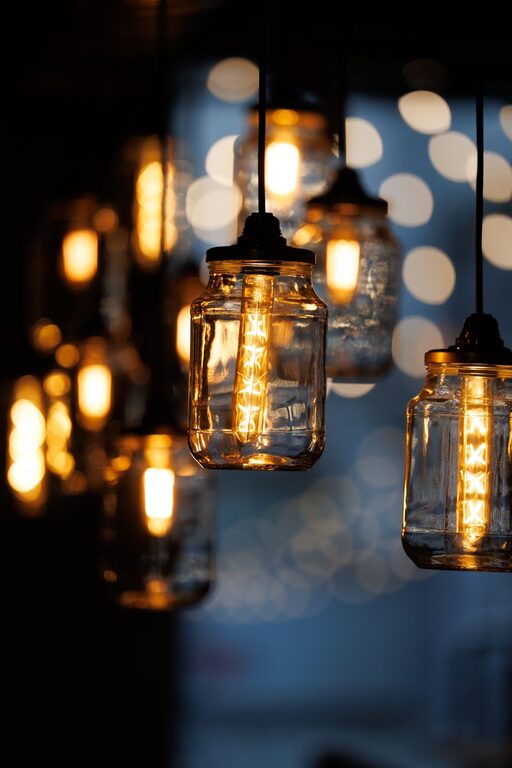
Lighting plays a crucial role in how we experience our living spaces. Good home lighting not only brightens a room but can also improve comfort, mood, and functionality. Choosing comfortable lighting is about more than just picking a pretty fixture—it involves considering the type, placement, color, and intensity of light. If you want to create a warm and inviting atmosphere in your home, follow these helpful tips to select the best lighting for your needs.
Why Comfortable Lighting Matters
Uncomfortable lighting can cause eye strain, headaches, and disrupt your daily routine. On the other hand, well-chosen lighting helps you relax, focus, and enjoy your home environment. Comfortable lighting balances brightness with softness, complements the room’s purpose, and adjusts easily to different activities.
Key Factors to Consider When Choosing Home Lighting
1. Understand Your Room’s Purpose
Each room serves a different function, so lighting should be tailored accordingly:
– Living Room: Needs versatile lighting for relaxing, reading, and socializing.
– Kitchen: Requires bright, focused light for cooking and prep work.
– Bedroom: Benefits from soft, warm lighting to create a calm atmosphere.
– Bathroom: Needs clear, bright lighting for grooming tasks.
Knowing what activities will take place helps you pick the right fixtures and bulbs.
2. Choose the Right Type of Lighting
There are three main types of home lighting:
– Ambient Lighting: The general, overall light in a room, often provided by ceiling fixtures or recessed lights.
– Task Lighting: Focuses on specific areas where activities occur, like reading lamps or kitchen under-cabinet lights.
– Accent Lighting: Highlights architectural features or décor, such as wall sconces or track lights.
A combination of these types usually works best for a comfortable environment.
3. Pay Attention to Color Temperature
Color temperature, measured in Kelvins (K), influences how lighting feels:
– Warm Light (2700K–3000K): Creates a cozy, relaxing atmosphere. Great for bedrooms and living rooms.
– Neutral Light (3500K–4100K): Offers a balance between warm and cool, ideal for kitchens and bathrooms.
– Cool Light (5000K–6500K): Mimics daylight, good for task-oriented spaces where clarity is important.
Selecting the right color temperature helps set the mood and enhances comfort.
4. Use Dimmers for Adjustable Brightness
Dimmers allow you to control light intensity, making it easy to switch between bright, task-oriented light and softer, relaxing illumination. Installing dimmer switches increases versatility and energy efficiency.
5. Select the Best Bulb Type
The bulb you choose affects both comfort and energy use:
– LED Bulbs: Long-lasting, energy-efficient, and available in various color temperatures.
– Incandescent Bulbs: Produce warm light but use more energy and have a shorter lifespan.
– CFL Bulbs: More efficient than incandescent but may take time to reach full brightness.
LED bulbs are generally the best all-around choice for comfortable home lighting.
6. Consider Fixture Design and Placement
The design of light fixtures affects how light spreads and impacts comfort:
– Shaded Lamps: Soften light and reduce glare.
– Ceiling Fixtures: Provide general illumination but choose styles that distribute light evenly.
– Wall Sconces: Add ambient or accent lighting with gentle diffusion.
Placement of fixtures should avoid direct glare and shadows. Use layers of light to create balance.
Practical Tips for Cozy Lighting in Different Rooms
Living Room
– Use a combination of ceiling lights, floor lamps, and table lamps.
– Choose warm white bulbs (2700K–3000K).
– Add dimmers for mood control.
– Use lampshades to soften light.
Kitchen
– Install bright, cool white lights above counters and cooking areas.
– Use under-cabinet lighting for focused tasks.
– Consider adjustable fixtures for flexibility.
Bedroom
– Opt for warm, low-intensity lighting.
– Use bedside lamps with soft shades.
– Install dimmers or smart bulbs to adjust light easily.
Bathroom
– Use bright, neutral white light around mirrors.
– Avoid harsh overhead lights that cause shadows.
– Add wall sconces or LED strips for balanced illumination.
Additional Tips for Comfortable Lighting
– Maximize Natural Light: Use sheer curtains to let daylight in without glare.
– Avoid Harsh Glare: Position lights so they don’t shine directly into your eyes.
– Reflect Light: Use light-colored walls and mirrors to spread light evenly.
– Layer Your Lighting: Combine ambient, task, and accent lights for flexibility.
Conclusion
Choosing comfortable home lighting involves a thoughtful approach to the type, color, and placement of light sources. By understanding your space’s needs, selecting suitable bulbs, and incorporating dimmers or layered lighting, you can create a home environment that is both beautiful and comfortable. Remember, the right lighting improves not only the look of your rooms but also your overall well-being and enjoyment at home. Start experimenting with these tips to find your perfect lighting balance today!