
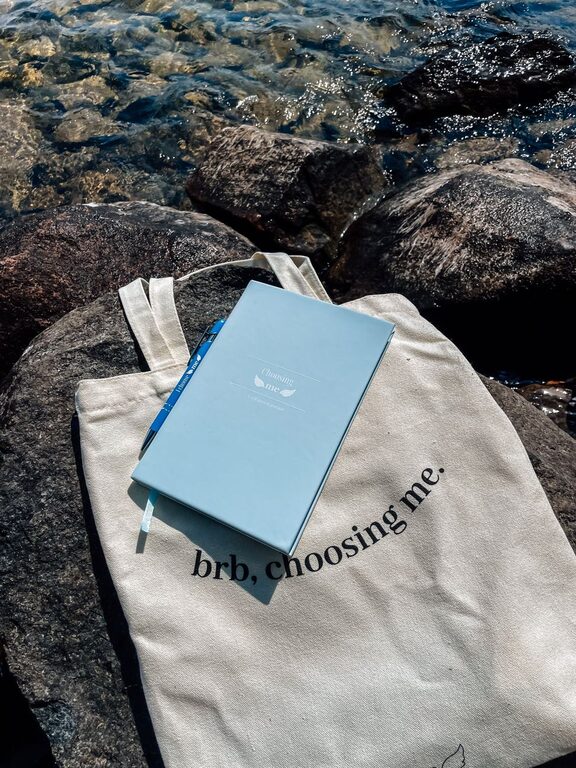
Choosing the right notebook might seem like a simple task, but it can greatly impact how you organize your thoughts, plan your days, or nurture your creativity. A notebook you actually use is one that feels comfortable, suits your lifestyle, and inspires you to write regularly. Here’s a detailed guide to help you find that perfect notebook.
Why Choosing the Right Notebook Matters
A notebook isn’t just a collection of pages; it’s a personal tool that supports your goals, whether that’s jotting down ideas, tracking tasks, or reflecting on your day. When you pick the right one, it becomes a place you want to return to—making it easier to develop habits like journaling, planning, or note-taking.
Consider Your Primary Use
Before shopping, ask yourself: What will I use this notebook for?
– Journaling or creative writing: You might want something with good-quality paper that handles different pens well.
– Work or school notes: Look for a durable notebook with organizational features like numbered pages or index tabs.
– Planning and to-do lists: A format with sections or pre-printed layouts could help keep you on track.
– Sketching or doodling: Thicker, unlined paper works better for drawing.
Knowing your main purpose directs you to the styles and features that will best support your usage.
Size and Portability
Notebooks come in various sizes, from pocket-sized to large sketchpads. Consider where you’ll use it most:
– On the go: Smaller notebooks (like A6 or pocket size) are easy to carry and perfect for quick notes or ideas.
– At a desk: Larger notebooks (A5, letter size, or bigger) offer more space for detailed notes and are comfortable for extended writing.
– Bag fit: Make sure it fits easily into your usual bag if you plan to carry it around.
Choosing the right size enhances your willingness to pull out the notebook and write.
Paper Quality and Type
Paper matters a lot, especially if you use fountain pens, markers, or different types of ink.
– Weight: Measured in grams per square meter (gsm). Heavier paper (above 80 gsm) resists ink bleeding and feathering.
– Texture: Some prefer smooth paper, which makes writing flow easily; others like a bit of texture for grip.
– Color: Bright white, ivory, or cream-colored pages can affect readability and eye comfort.
– Ruling: Options include lined, dotted, grid, or blank pages. Choose based on how you plan to use the notebook.
If possible, test how your preferred pens perform on the paper before buying.
Binding and Cover
The way a notebook is bound affects durability and how easy it is to write in.
– Binding types:
– Spiral-bound: Lets the notebook lay flat or fold back on itself, great for writing in tight spaces.
– Sewn or perfect-bound: Offers durability and a cleaner look but might not lay flat as easily.
– Cover material:
– Hardcover: Protects pages better and is sturdy for writing on the go.
– Softcover: More flexible and lightweight, often less bulky in a bag.
– Water-resistant covers: Useful if you use your notebook outdoors or in various conditions.
Choose a binding and cover that match your lifestyle and preferences.
Additional Features to Look For
Sometimes little extras make all the difference:
– Page markers or ribbon bookmarks: Quick access to frequently used pages.
– Numbered pages and index: Helpful for keeping track, especially when journaling or taking notes.
– Expandable pocket: Handy for storing slips, stickers, or papers.
– Perforated pages: Easy removal without ruining the notebook.
– Elastic closure: Keeps the notebook securely closed inside your bag.
These features add convenience and enhance your user experience.
Design and Aesthetics
Though practical features are important, the look and feel of your notebook can motivate you to use it. Choose a design that resonates with you—whether minimalistic, colorful, patterned, or personalized. When you enjoy how it looks, you’re more likely to keep it close at hand.
Budget Considerations
Notebooks come at all price points. While premium notebooks often offer better paper quality and durable construction, there are plenty of affordable options that work well.
– Decide your budget early.
– Consider how often you’ll use the notebook and how long you want it to last.
– Sometimes investing a bit more pays off if it leads to increased use and enjoyment.
Where to Buy
You can find notebooks in bookstores, stationery shops, department stores, or online. If possible, visiting a store lets you feel the paper and see the notebook firsthand, which can be very helpful.
Tips for Using Your Notebook Regularly
Buying the right notebook is just step one. Here are some ways to make sure you use it consistently:
– Keep it visible and accessible.
– Dedicate a specific time daily or weekly for writing or planning.
– Personalize it with stickers, drawings, or notes to make it inviting.
– Use it for meaningful purposes that motivate you.
Summary Checklist
– Identify your main use for the notebook.
– Choose a size that suits your lifestyle.
– Pay attention to paper quality and ruling.
– Pick a binding and cover that match your comfort and durability needs.
– Consider helpful features like bookmarks or pockets.
– Select a design that inspires you.
– Factor in your budget.
– Shop where you can test or easily return if needed.
Conclusion
Finding a notebook you’ll actually use involves more than picking the prettiest cover. By considering your needs, writing habits, and preferences, you can select a notebook that supports your goals and becomes a trusted companion. Take your time to choose, and enjoy the process of writing, planning, or creating with your new favorite notebook.