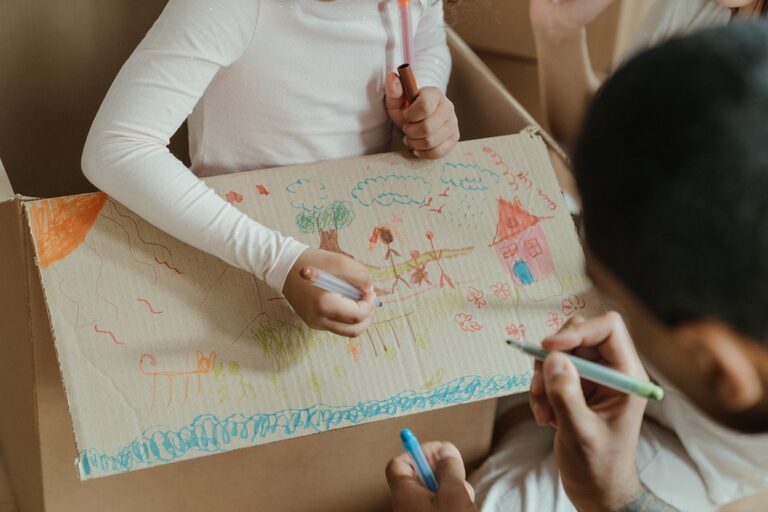
Bringing home your child’s latest masterpiece can be a joyful moment—but over time, those colorful creations can take over your fridge, drawers, and even your living space. Keeping kids’ art organized is a great way to celebrate their creativity while maintaining an orderly home. Whether you’re dealing with finger paintings, drawings, or 3D crafts, these tips will help you store, display, and manage your child’s artwork effectively.
Why Organizing Kids’ Art Matters
Organizing kids’ art isn’t just about tidiness. It helps:
– Preserve memories and milestones
– Encourage your child’s creativity by valuing their work
– Reduce clutter and stress at home
– Create a meaningful archive to look back on over the years
Now, let’s explore some practical strategies for keeping your child’s artwork organized.
Create a Dedicated Art Space
Start by setting up a dedicated area in your home for your child’s art supplies and finished pieces.
Choose the Right Spot
– A corner of the playroom, a wall in the family room, or a section of their bedroom works well.
– Make sure it’s easily accessible so your child can add artwork independently.
Use Storage Solutions
– Plastic bins or clear containers are perfect for holding paper, markers, and finished projects.
– Label storage boxes by art type or date (e.g., “Paintings – 2024” or “Drawings – Age 5”).
Display Art Creatively
Showing off your child’s art is motivating and makes your home feel personal.
Rotate the Art Gallery
– Use a corkboard, magnetic board, or wire with clips to create a rotating display.
– Change artworks every week or month to keep things fresh and exciting.
Use Frames and Clipboards
– Frame special pieces for a polished look.
– Hang clipboards on the wall for an easy way to swap out drawings regularly.
Digital Display Options
– Use a digital photo frame to showcase scanned or photographed art. This saves space and preserves the artwork in a modern format.
Digitize and Archive Artwork
With limited space, it’s impossible to keep every piece. Digitizing artwork is a smart way to archive without clutter.
How to Digitize
– Use your smartphone or a scanner to capture high-quality images.
– Organize digital files in folders by year, age, or theme.
Create Digital Albums or Slideshows
– Compile photos into online albums or slideshows that family and friends can easily enjoy.
– Use apps or services designed for children’s artwork, which offer features like tagging and sharing.
Develop a Sorting System
Regularly sort through your child’s art to decide what to keep, display, or recycle.
Sort Together
– Involve your child in choosing favorites. It teaches decision-making and respect for their creations.
– Encourage them to talk about their artwork as you sort.
Keep a Limited Number
– Decide on a maximum number of physical pieces to save. For example, a portfolio or folder with 20 selected artworks per year.
– Store these in an archival-quality folder or box to protect them over time.
Repurpose and Gift
– Use art to create personalized greeting cards, gift wrap, or bookmarks.
– Give artworks to family members as thoughtful gifts.
Use Creative Storage Options
If you prefer to keep physical artwork but want to avoid clutter, consider these storage ideas:
Art Portfolios and Binders
– Large, flat portfolios keep artwork protected and easy to browse.
– Use plastic sleeves in binders to organize drawings and small paintings.
Filing Systems
– Set up a filing cabinet or portable file box with labeled folders for each year or child.
– Color-code folders for quick sorting.
Hanging Storage
– Use hanging file organizers or wall pockets to file new artwork as it comes in.
– This provides easy access and prevents piles from building up.
Encourage Minimalism and Replacement
Sometimes, less is more. Encourage your child to appreciate the process over the product.
– Keep the newest or most meaningful creations on display.
– After a set time, take photos of older pieces before recycling them.
– This approach teaches children about making choices and valuing experiences.
Involve Your Kids in the Organization Process
Kids are more likely to take care of their artwork when involved in organizing it.
– Let them choose which pieces to keep or display.
– Give them responsibilities like labeling or helping digitize.
– Make organization part of the creative process to build good habits early on.
Final Thoughts
Keeping kids’ art organized doesn’t have to be a chore. With a few simple systems, you can enjoy celebrating your child’s creativity while keeping your home neat and clutter-free. Whether you display, digitize, or store these precious pieces, remember that the goal is to make art a joyful part of family life—not a source of stress.
Use these tips to create a fun, manageable way to cherish your child’s artistic journey for years to come!